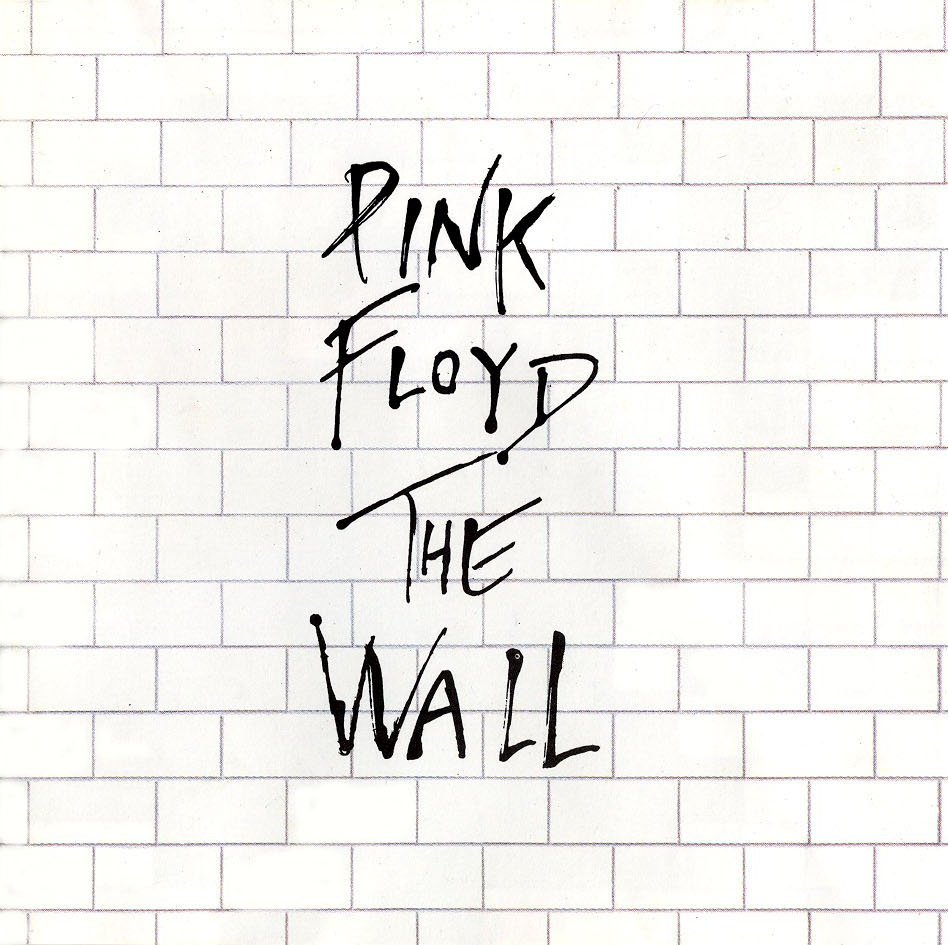

In thinking about two great concept albums of the 1970s, Quadrophenia by The Who and The Wall by Pink Floyd, there are some interesting comparisons between them, as well as some stark contrasts. Both are highly personal, about a single person who is struggling with mental issues, addiction, alienation, and more.
In the case of Quadrophenia, we’re talking about a young man named Jimmy, someone who still lives with his parents, works at a meaningless job, and his main struggle appears to be how much pressure is put upon him by his peers and his need and desire for love and acceptance. The music shows Jimmy as split into four personalities, which points to the concepts of schizophrenia or dissociative identity.
For The Wall, it’s an adult, a rock star named Pink, who’s married, in a rock band and has issues that are wide ranging. These issues include the loss of his father in WWII, abuse by the school system, a mother who smothered him, and his alienation from everyone in his life, including his family, friends, and fans. The music shows Pink as building a wall around himself.
As far as the music itself goes, Quadrophenia relies more on classical ideas, with recurring musical motifs and a reiteration of the four personalities that define Jimmy.
For The Wall, it’s less about how the music is tied together and more about the recurring phrases surrounding how isolated Pink has been made and is making himself, as he first builds a wall around himself and judges others, then later judges himself and tears down the wall.
In the end, both come to a climax and realization, and while neither dwells on the resolution, they do leave the listener with the belief that something has changed. It’s left as ambiguous, though, which means we don’t know the fate of either protagonist.
The Wall is a collection of related songs with recurring themes and a reiteration of the concept of “the wall, which makes it fairly easy to pull out individual songs for radio play. Quadrophenia, on the other hand, is a rock opera, and as such, musically it is tightly woven together, which makes it more difficult to separate one song from another.
I love both albums, but personally I find The Wall more appealing, more emotional, and its concepts more universal, maybe because it’s about an adult rather than a teen. Quadrophenia has great emotional depth, but it’s more vague, less anchored in terms of lyrics. It relies heavily on the music to pull you in, whereas The Wall sucks you in over and over again with lyrics that are biting and weighty.
Leave a Reply