Category: Morality

  • Video Game Violence Isn’t Violence

    Video Game Violence Isn’t Violence

    Just as I know that holding a conversation with AI isn’t the same as holding one with another human being, I know that killing virtual beings in a virtual universe isn’t the same as killing in the real world.

    When I started playing computer games in the early 1980s, graphics were primitive. Firing missiles and dropping bombs in the original F-15 Strike Eagle on the Commodore 64 required the suspension of disbelief because everything in the game, including the plane and the world, weren’t realistic looking.

    F-15 Strike Eagle

    It wasn’t long before programmers learned how to make computers like the C64 depict more realistic images. Then came along better hardware, such as the Atari ST and the Amiga. Now killing began to look like killing. Then PCs upped the ante by increasing the number of on-screen colors all the way up to 256, then to millions. This, along with the addition of more pixels and more powerful graphics cards, gave developers unbelievable power.

    By the early 1990s we had cringe-worthy video game violence. Games like Castle Wolfenstein, Mortal Combat, Doom, and more, showed gore that disgusted right-wing Christians and had moms asking for such games to be banned.

    Mortal Kombat

    Today there’s no question of whether violence is depicted with sufficient detail in modern video games. The hardware and software are more than capable, and it no longer requires you to imagine it. You only have to open your eyes to see.

    I’ll admit, I play a lot of violent games. And I’m not a big fan of little indie titles where farming, dating, or running a bookstore is the main focus. I prefer big, Triple-A RPGs, shooters, and similar where making progress involves killing bad guys.

    Castle Wolfenstein

    Sometimes they aren’t even bad guys.

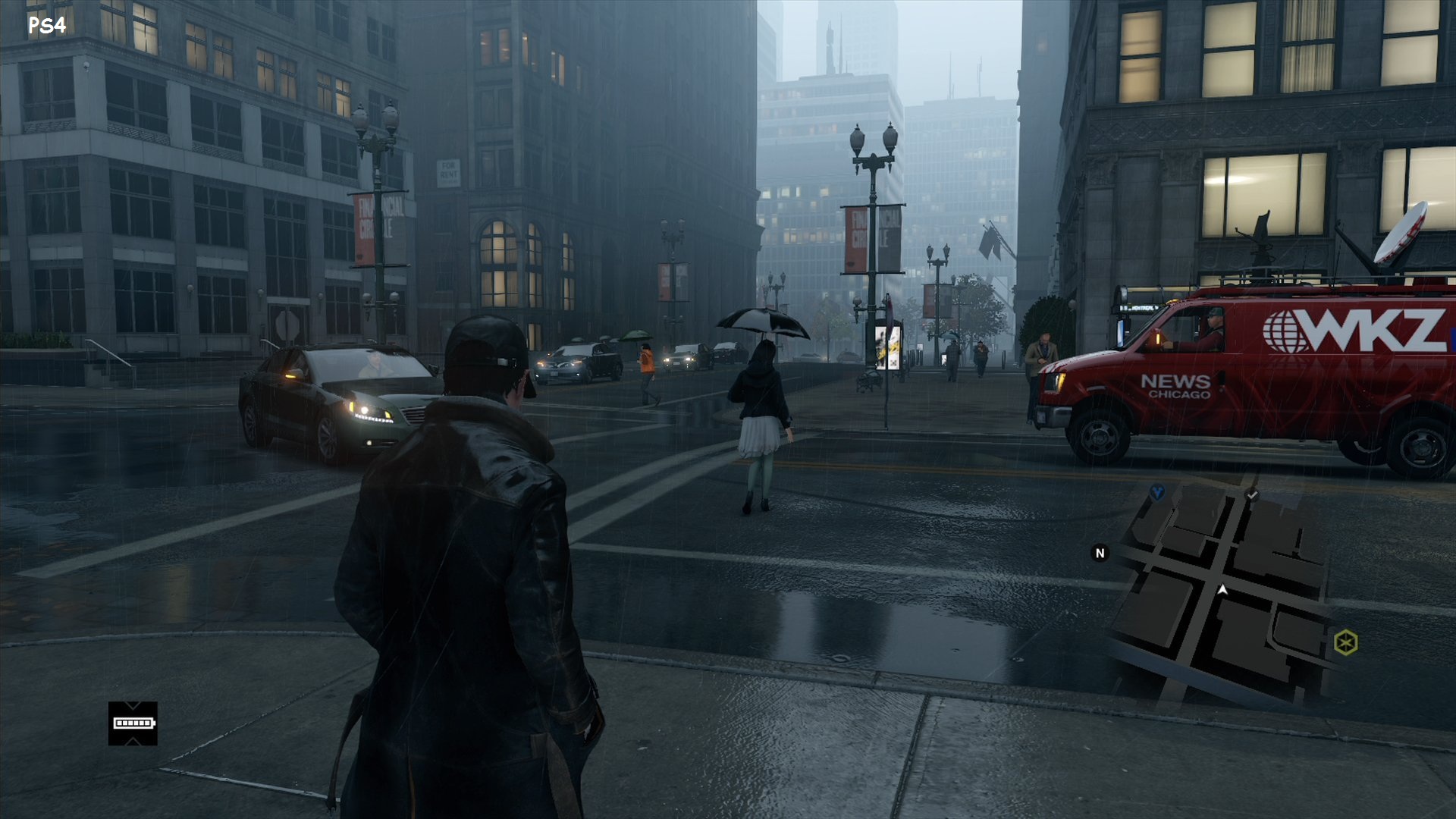
    For example, I’m currently replaying the original WatchDogs, a game I’ve completed several times before. Here, you’re billed as The Vigilante, but the game lets you steal from common folk, shoot and run them over, assassinate people who are supposed to be bad, and otherwise wreak havoc on a simulated version of Chicago.

    Do I cringe as I kill and steal in a game like WatchDogs? I do. And I always have.

    But since I know what I’m doing has nothing to do with reality, and I’m not preparing myself to go out and kill in the real world, these feelings I feel as I kill virtual beings just serve to remind me that, yes, I am human, and yes, life is precious.

    That’s what we need to remember with whatever sort of entertainment we rely on.

    When we read, watch TV, play games, chat with AI, surf the Internet, etc., and what we’re experiencing makes us feel uneasy, and we wonder if maybe it’s reinforcing the worst in us, we are human, we value life, and we make a decision every day to preserve it.
  • There’s Nothing We Can Do About The Tech Industry

    There’s Nothing We Can Do About The Tech Industry

    I’ve been accused of not having hope, and I’ll admit, it’s true. I’m glad there are people out in the world fighting for rights, attempting to keep us safe, and generally keeping governments and big corporations in check. I know these same people can make a difference, but I think it’s a losing battle. I think we need to look at things more realistically, especially in regards to tech.

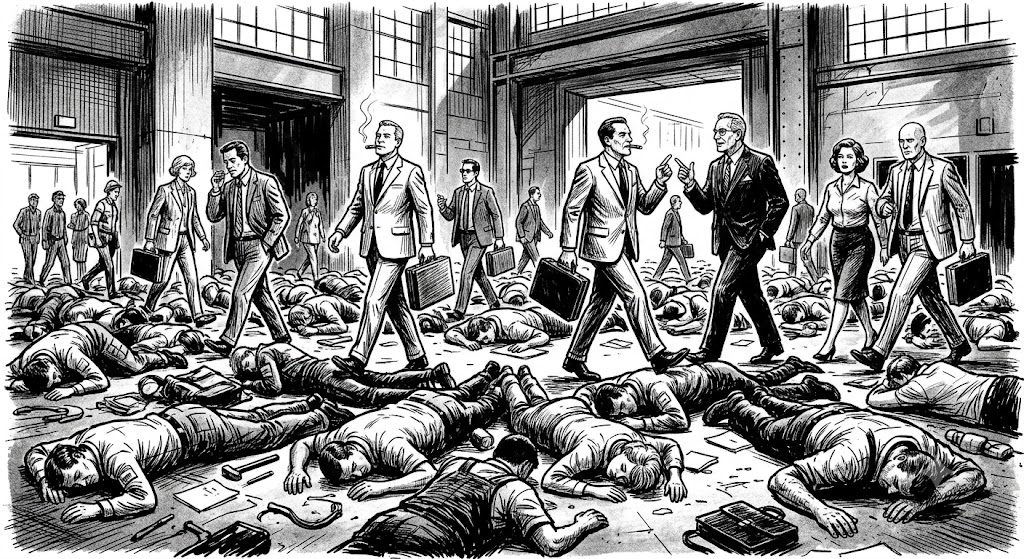
    Big tech is in a constant struggle to make money for their shareholders. They demand infinite profit growth, usually at the expense of the workers. These companies ramp up, hire, invest, and then when things don’t go quite right, they downsize, leaving potentially thousands of workers out of jobs.

    As someone who has worked for tech companies for over 30 years, I know how this works. I know that feeling when layoffs are announced and you worry you’re next. I also know how it feels to get numb to the whole experience. So when a company like Microsoft is rumored to lay off thousands of workers across the entire organization, I genuinely feel for those people. I also realize this is inevitable.

    And while we feel for the workers, we also often have a vested interest. We become attached to products these companies make. Or, when a smaller company is acquired by a larger one, we worry the products will either change in unwelcome ways, or shutdown altogether.

    The reality is, we can’t change this in any significant way. The stock market fuels the growth of these companies, often makes the people running them rich, but requires a cutthroat approach to managing the products and workforce. Just because we’re attached to a given product, we can’t expect the company to treat it differently.

    It’s good to have compassion for others but we need to have a realistic outlook. We need to see big tech for what it is. It’s like a government constantly at war. Those workers who get burnt out, who maybe have lost their spouses after ignoring them for too long, and get laid off at the whim of the corporate overlords, are the casualties.

    They survive, but are forever changed.

  • Morality Isn’t Real

    Morality Isn’t Real

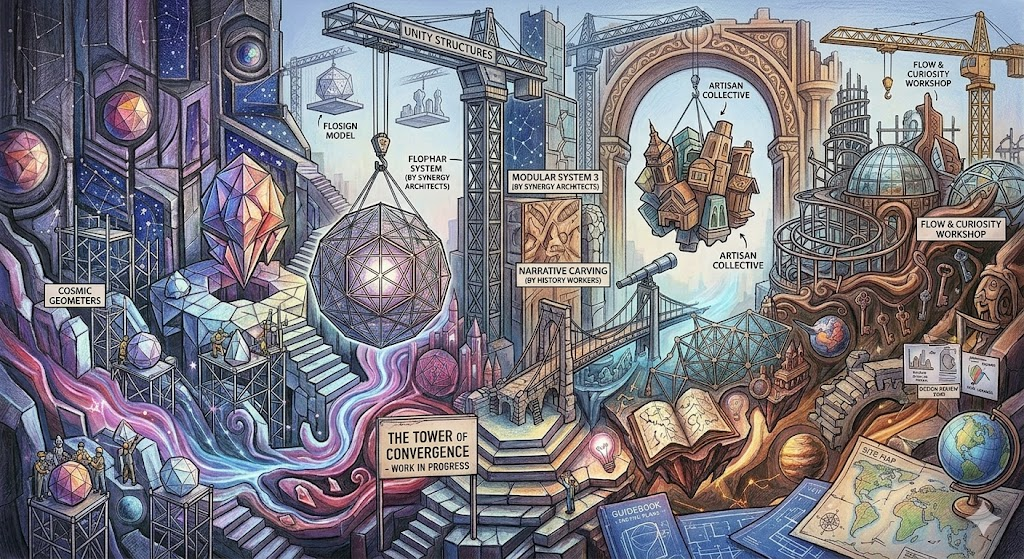
    Humans invent structures that fashion the world in ways that try to make sense of it. That order it and align people’s thinking, so everyone is worshipping the same god, honoring the same values, and obeying the same laws.

    This is all manufactured. There’s nothing real in any of it, but we say it’s real so that we can convince others it is. So they’ll buy into. Embrace and make it their own.

    There’s nothing inherently wrong with this. We’ve been actively creating reality since man first set foot on Earth. It reflects our ability to imagine, and to see a world quite different than the one we live in.

    But just because we say or think that murder is wrong, or we shouldn’t steal, and even when we attribute these laws to a higher power, for many it makes no difference. Even the humans that assure us we better do right else we’ll go to jail, or maybe even to hell, these laws are arbitrary and often forgotten when passion takes over their senses.

    And while it may make sense to obey laws, each and every human decides what’s right and wrong. We filter through all we’ve learned and decide what to keep, and what to toss away.

    It’s free will at its finest, and there’s no way to escape it. It consumes us, tears at the fabric of our beings, taunts us to do something other than what the consensus asks us to do.